

Psychotherapist
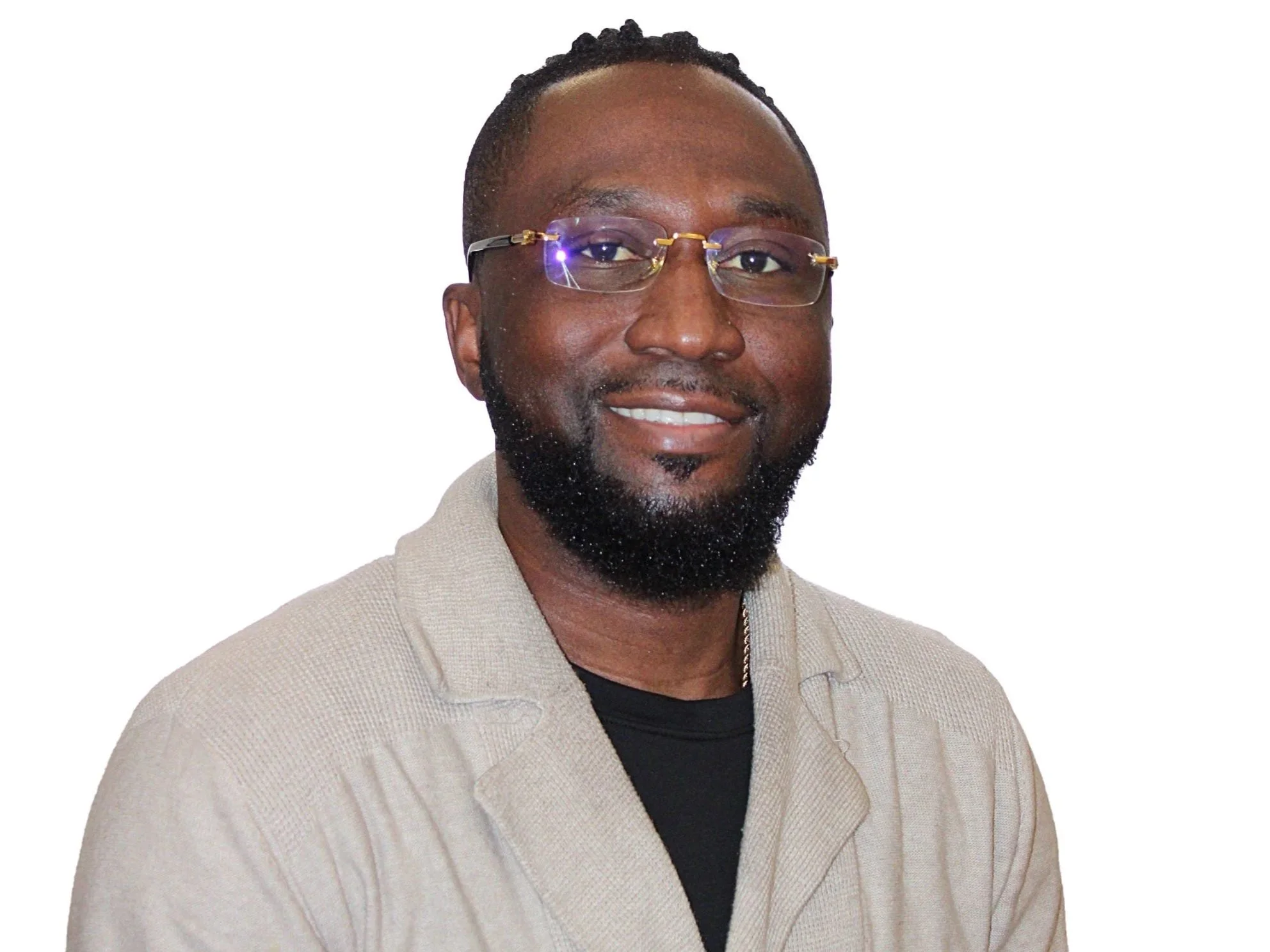
Emmanuel Asamoah M.S.W., R.S.W.
I am a Master of Social Work–trained clinician and a registered member of the Ontario College of Social Workers and Social Service Workers (OCSWSSW), with over 15 years of experience providing therapeutic support to children, youth, adults, and families.
My practice focuses on helping clients navigate anxiety, depression, emotional regulation challenges, life transitions, school-related concerns, family conflict, trauma, and crisis situations. I have extensive experience in crisis intervention and suicide risk assessment, and I work thoughtfully and collaboratively to ensure clients feel safe, supported, and understood.
My therapeutic approach is client-centered, culturally responsive, and grounded in anti-oppressive practice. I integrate CBT, CPT, DBT, Solution-Focused Therapy, Motivational Interviewing, and trauma-informed care to tailor treatment to each individual’s unique needs and strengths. I believe therapy is not one-size-fits-all; it is a collaborative process that builds on resilience, insight, and practical coping tools.
Having worked extensively within school settings, child welfare, and community mental health, I understand the complex systems that impact individuals and families. I strive to create a supportive space where clients can explore challenges, strengthen emotional regulation, improve relationships, and develop meaningful strategies for lasting change.
I am bilingual in French and English, and I am committed to providing inclusive, culturally sensitive care that honors each client’s lived experience.
Psychotherapist
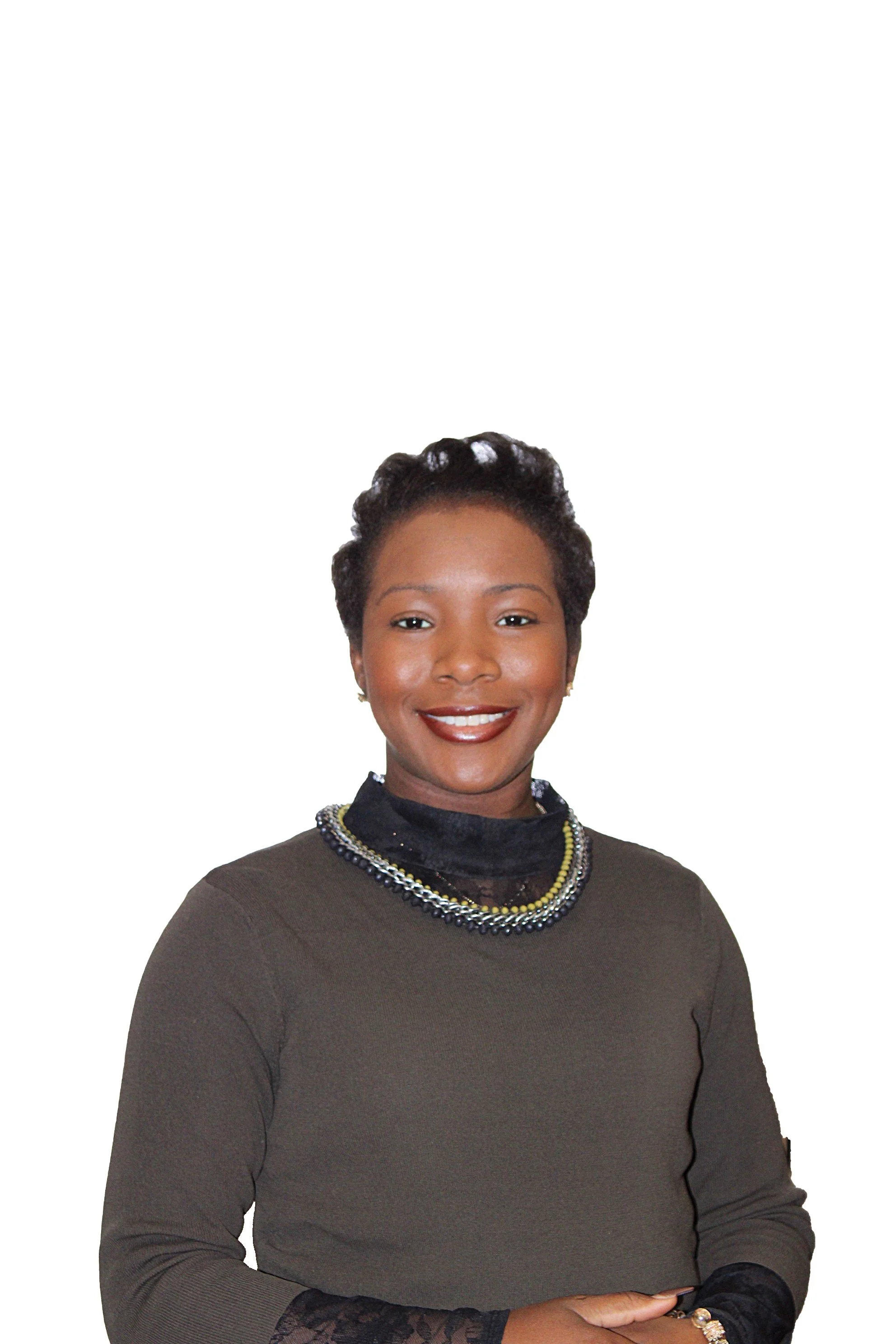
Maman Asamoah M.S.W., R.S.W.
I am a Master of Social Work–trained clinician with over 15 years of experience providing psychotherapy to children, youth, adults, and families. My practice is grounded in compassionate, client-centered care and a commitment to helping individuals navigate trauma, anxiety, depression, life transitions, and complex mental health challenges.
Throughout my career, I have worked in mental health programs within psychiatric hospitals, school boards, motor-vehicle agencies, victim services, community agencies, and legal settings. This diverse clinical background allows me to support clients who are coping with trauma, motor vehicle accidents, domestic violence, severe and persistent mental illness, school-related concerns, and psychosocial stressors.
My approach to therapy is collaborative, culturally responsive, and tailored to each client’s unique strengths and goals. I integrate evidence-based modalities including Cognitive Behavioral Therapy (CBT), Cognitive Processing Therapy (CPT), Cognitive Behavior Therapy for Psychosis (CBT-P), Motivational Interviewing, and Solution-Focused Therapy. I also draw from trauma-informed and anti-oppressive frameworks to ensure clients feel safe, respected, and empowered throughout the therapeutic process.
I believe therapy should provide both practical tools and meaningful insight. Whether we are working on emotional regulation, processing traumatic experiences, behavior activation, improving relationships, or building coping strategies, my goal is to create a supportive space where growth and healing can occur.
I offer services in both English and French and am committed to providing inclusive, culturally sensitive care to diverse communities.
Starting therapy can feel like a big step. Our goal in the first session is to create a space where you feel safe, heard, and understood.
1. Getting to Know You
We will begin by discussing what has brought you to therapy. You’ll have the opportunity to describe your current concerns, symptoms, stressors, and any significant life events that may be impacting your well-being. We will also review relevant personal, family, medical, or mental health history to gain a fuller understanding of your experience.
2. Evidence-Based Assessments
To better understand your current level of distress, I use standardized, evidence-based screening tools for depression and anxiety (such as structured clinical questionnaires). These assessments help us:
Determine the severity of symptoms
Establish a clinical baseline
Identify specific areas of concern
Measure progress over time
These tools are not labels, they are guides that support accurate, individualized treatment planning.
3. Understanding How Therapy Can Help
We will explore how therapy can support you in practical and meaningful ways. Depending on your needs, therapy may help you:
Develop coping strategies for anxiety or depression
Process traumatic experiences
Improve emotional regulation
Strengthen relationships and communication
Navigate life transitions or stress
Build resilience and confidence
Together, we will identify clear goals and discuss which therapeutic approaches (such as Cognitive Behavioral Therapy or trauma-focused interventions) may be most helpful.
4. Collaborative Treatment Planning
Before the session ends, we will outline next steps. This includes:
Clarifying therapy goals
Discussing recommended frequency of sessions (weekly, biweekly, etc.)
Reviewing confidentiality and consent
Answering any questions you may have
5. Scheduling & Next Steps
If you decide to move forward, we will schedule follow-up sessions at a pace that supports consistency and progress. Regular sessions are typically recommended at the beginning to build momentum and therapeutic rapport.
The first session is about understanding your story and determining how we can work together effectively. You are not expected to have everything figured out. Therapy is a collaborative process, and we will move at a pace that feels right for you.

What to Expect in Your First Session
What Sets Us Apart

Choosing a therapist is a meaningful decision. Here’s what makes our practice distinct:
1. Depth of Clinical Experience Across Systems
With over two decades of experience in hospitals, child welfare, school boards, victim services, rehabilitation programs, forensic settings, and community mental health, we bring a comprehensive understanding of how mental health intersects with medical, legal, educational, and social systems. This allows us to support clients navigating complex situations - not just symptoms.
2. Specialized Trauma Expertise
We have extensive experience working with trauma, including motor vehicle accidents, domestic violence, violent crime, severe mental illness, and system-related stress. Our work is grounded in evidence-based trauma treatments such as Cognitive Behavioral Therapy (CBT) Dialectical Behavioral Therapy (DBT) and Cognitive Processing Therapy (CPT), ensuring care is structured, effective, and measurable.
3. Evidence-Based & Results-Oriented
We use validated clinical assessments to guide treatment planning and track progress over time. Therapy is not vague or open-ended; instead, we work collaboratively to set clear goals, build practical skills, and evaluate outcomes so you can see meaningful change.
4. Collaborative & Holistic Approach
Our background in multidisciplinary teams means we understand the importance of coordinated care. When appropriate, we collaborate with physicians, schools, rehabilitation teams, or community supports to ensure you receive well-rounded, integrated care.
5. Cultural Responsiveness & Bilingual Services
We are committed to anti-oppressive, culturally sensitive practice. Services are offered in both English and French, and we strive to create a space where diverse identities, lived experiences, and cultural backgrounds are respected and affirmed.
6. Leadership & Advocacy
Our leadership experience and work on professional boards and committees reflect a commitment to advancing mental health care beyond the therapy room. We advocate for systemic improvements while maintaining a strong, client-centered focus in practice.
Above all, we combine clinical expertise with warmth, structure, and genuine care. Our aim is to provide therapy that is compassionate, evidence-based, and tailored to help you move forward with confidence.